

โครงการ MEDITATE AGAINST : ค้นหาหนังสือธรรมะ หน้า 15 / 47
หน้าหนังสือทั้งหมด
6
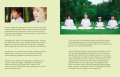
Meditation for Inner Peace
To keep thoughts from entering the mind, recite the words 'summa
arahung, summa arahung,' which means the virtuous path toward
freedom from all evils of the mind. Recite the words as if you're
humming
This text offers a meditation practice aimed at achieving inner peace by reciting calming words and observing sensations in the body. It encourages letting thoughts pass without engagement and highlig
7
คำอธิบายเกี่ยวกับมังคลัตถทีปนิสมะ
ประโยค - มังคลัตถทีปนิสมะ ไป คือยานมีรองเท้าเป็นต้น. ก็ต้องอาศํพท์ในบทว่า อุปหนาทิ นี้สงเคราะห์คํานามหนามและอวเสนต้นเข้า ด้วย พระอรรถกถาจารย์ กล่าวว่าระตปาหุ เพรำทำรียาวา ถึงจึงว่าเป็นเหตุให้สำเร็จการ
เนื้อหาเกี่ยวกับมังคลัตถทีปนิสมะ อธิบายถึงการเดินทางที่มีการใช้รองเท้าและการป้องกันจากสภาพอากาศ เช่น ฝนและแดด โดยอาศัยอุปกรณ์ที่เหมาะสมสำหรับการส่องแสง เนื้อหาได้กล่าวถึงความสำคัญของน้ำมันและอุปกรณ์ต่
110
Kalyanamitta Home Project: A Step Towards World Peace
Kalyanamitta Home Project
Kalyanamitta Home Project (Home of Good Friends Project), a first step towards world peace, was created from the vision of Luang Phaw Dhammajayo. It stressed the fact that w
The Kalyanamitta Home Project, inspired by Luang Phaw Dhammajayo, aims to foster world peace by nurturing happiness within families. It highlights the importance of understanding Dhamma to protect aga
121
Luang Phaw Dhammajayo's Campaign Against Alcohol and Gambling
Luang Phaw Dhammajayo's "no alcohol no tobacco" project campaigns against the use of drugs and bad temptations; which are causes of unhappiness within the family, society and country. The campaigns ma
Luang Phaw Dhammajayo's 'no alcohol no tobacco' project addresses the social issues stemming from drug use and gambling that adversely affect families and society in Thailand. The campaign inspired a
180
Honorary Recognitions of Phrarajbhavanavisudh
Honorary Doctorate Degree in Buddhist Studies from Mahachulalongkorn Rajavidyalaya, Bangkok (under H.M. the King’s patronage), given to Phrarajbhavanavisudh (Venerable Dhammajayo Bhikkhu).
Received De
Phrarajbhavanavisudh, also known as Venerable Dhammajayo Bhikkhu, received significant honors for his contributions to Buddhist studies and social work in Thailand. He was awarded an honorary doctorat
189
Promoting World Peace Through Inner Peace
ages around the world attend the class ‘Dream in Dream’, the biggest class room in the world. His promotional teachings arouse everyone to be aware of one’s own action against the law of kamma, the un
This text highlights the impact of the 'Dream in Dream' class led by Most Venerable Phrarajbhavanavisudh, encouraging individuals to reflect on their actions in relation to the law of kamma. The medit
200
Finding Your Mind: A Journey to Inner Calm
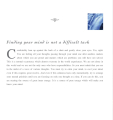
Finding your mind is not a difficult task
Comfortably lean up against the back of a chair and gently close your eyes. Yes, right. You are feeling all your thoughts passing through your mind one after
Finding your mind is a process of calming your thoughts and focusing on one at a time. By leaning back, closing your eyes, and acknowledging your waves of thoughts, you can begin to arrange mental pri
229
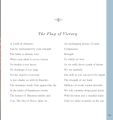
The Strength of the Mind
A world of obstacles An unchanging picture of calm,
Can be surmounted by your strength Compassion,
The battle is already won Strength
When your mind is s
This text highlights the power of the mind in overcoming obstacles and challenges with strength and compassion. It emphasizes the unwavering support from nature and spiritual principles, symbolizing t
10
The Cycle of Violence and Its Consequences
the world where there is sunlight, conflicts are constantly taking place between nations and between individuals. When it is daylight for us and the other side of the world is blanketed in darkness, w
This text discusses the endless cycle of conflicts and wars driven by misguided intentions, highlighting how wars bring more suffering rather than peace. It emphasizes the psychological and social dam
17
Endurance Against Defilements and the Roads to Ruin
squeezes us, controls us and wears us down to perform all
kinds of bad deeds shamelessly. Then when we perform the
bad deed, defilements let us suffer, receive punishments,
experience all kinds of dis
The text discusses how defilements control individuals, leading them to perform bad deeds and suffer consequences. It highlights the importance of resisting external stimuli known as the Roads to Ruin
28
Metaphors for Mind Purification
gentleness in their minds. So they converted these virtues into metaphors for practical purposes, which included the following four magic forms of conduct:
Magic Form of Conduct #1: Eyes like the kno
This text delves into four magic forms of conduct symbolizing virtues for mental clarity, derived from natural observations made by our grandparents. Each metaphor teaches important life lessons aimed
31
The Value of Honest Work
honest with every job they did throughout their lives, they could tell their stories proudly:
“Ever since we were young, when we had to get a job, even if it was to empty or to clean the toilets, we
The text emphasizes the importance of working honestly, regardless of the job's status. It advocates for a proud acceptance of all honest work, equating it with a clear conscience and a peaceful mind.
41
Wisdom for Marriage: Ten Suggestions from a Father to His Daughter
When they reached Magadha, which was 112 kilometers from the capital of Kosol, Tanachai asked King Pasantikosol, "The city is small and I have a large number of retinue with me. It will be inconvenien
As Lady Visakha prepares for marriage, her father imparts important lessons on maintaining family dignity and relationships. He advises her to keep family matters private, not to bring external issues
57
Endurance Towards Stimulants of Defilements in Children
4) Endurance towards the stimulants of defilements
(kilsa). Children will not become slaves to alcohol and drugs, sexual attraction, money, praise and other problems. These stimulants cause major soci
The text discusses the importance of teaching children endurance against temptations such as alcohol, drugs, and the lure of money to prevent societal problems like corruption. It emphasizes the signi
60
Killing with Kindness: Parents Defending Children When They Misbehave
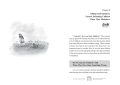
Chapter 8
Killing with Kindness:
Parents Defending Children When They Misbehave
"A parent's love can harm children." This sentence may go against the feelings of parents, but in reality there are
This chapter discusses the unintended consequences of parental love that can harm children, emphasizing the importance of not defending children when they misbehave. It highlights that taking a child'
106
The Cost of Vices and the Path to Redemption
"How much do you spend in a year going out to clubs?"
"I guess about two or three times the amount spent on liquor."
"Son, you contribute about 2,000 to 2,500 baht every year to making merit, but
This narrative reveals the transformation of an individual after receiving a wake-up call about the excessive spending on vices like drinking and smoking. Guided by Khun Yav and a realization of prior
129
Achieving Quality Results Through Focus and Effort
Knowing the objective of an undertaking is not enough to guarantee the quality of that effort. If a person stops short of a wholehearted attempt, the objective may be realized, but the quality is poor
The content discusses the importance of wholeheartedly pursuing objectives without shortcuts to ensure high-quality results. Using the analogy of washing clothes, it emphasizes the need for thoroughne
138
The Nature of Human Beings
What is the Nature of Human Beings?
The nature of human beings consists of five characteristics.
1. By nature, humans will not kill.
A human who takes life has deviated from the nature of humankind.
The text discusses the fundamental nature of human beings, emphasizing five key characteristics that define humanity. The first precept highlights the importance of not killing, suggesting that violen
142
Understanding the Five Precepts for Children
The extracted text from the image is:
---
The senior monk : Now I want you to think about what we need to live.
The children : Air, food, and water, sir, as well as medicine, clothing, and a house
This content explores the concept of the Five Precepts in Buddhism, focusing on the fundamental necessities of life such as air, food, water, clothing, medicine, and shelter. It discusses how these re
181
Understanding External and Internal Fools in Buddhism
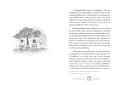
1) External Fools include non-Buddhists. They are determined to demolish Buddhism, whether they are of other religious affiliations or not. They typically try to cast aspersions upon Buddhist monks. W
In Buddhism, External Fools are non-Buddhists who seek to distort and undermine Buddhist teachings, casting aspersions on monks and creating confusion. Internal Fools, on the other hand, are Buddhists